
Human Trafficking Unveiled: Dark Truths Behind Modern Slavery
Human trafficking is one of the most disturbing and hidden crimes of our time, often described as modern-day slavery. It involves the illegal trade of human beings for exploitation, including forced labour, sexual exploitation, organ trafficking, and even forced marriages. Despite rapid technological and economic progress, millions of people across the world continue to fall victim to trafficking networks that operate in secrecy and thrive on vulnerability.
In a country like India, human trafficking remains a serious concern, affecting men, women, and children from all socio-economic backgrounds. Poverty, lack of education, unemployment, and social inequality make individuals more susceptible to traffickers who lure victims with false promises of jobs, better lives, or financial stability. Once trapped, victims are often subjected to physical, emotional, and psychological abuse, leaving long-lasting scars.
The dark truth behind modern slavery is that it is not always visible—it exists in plain sight, hidden behind industries, households, and even digital platforms. Raising awareness about human trafficking is crucial to combat this crime. Understanding its causes, legal framework, and preventive measures can empower individuals and communities to recognize warning signs and take action against this grave violation of human rights.
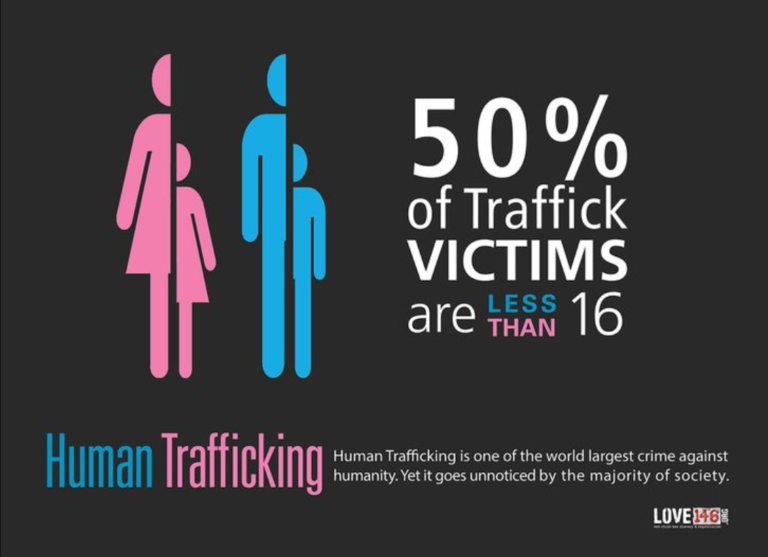
Causes of Human Trafficking
Human trafficking is a complex global issue driven by multiple interconnected factors. Understanding its root causes helps in prevention and awareness. Here are the major causes:
1. Poverty and Economic Inequality
Poverty is a primary cause of human trafficking. Individuals from low-income backgrounds are more vulnerable to false job offers and promises of a better life. Traffickers exploit financial desperation, especially in developing regions.
2. Lack of Education and Awareness
Limited education reduces awareness about trafficking risks. People who are unaware of their rights or the dangers of fake opportunities are more likely to fall victim to traffickers.
3. Unemployment and Job Insecurity
High unemployment forces individuals to search for work outside their communities. Traffickers take advantage of this by offering fake employment opportunities, leading victims into forced labor or exploitation.
4. Gender Inequality
Women and girls are disproportionately affected due to social discrimination and lack of equal opportunities. Gender-based violence and inequality increase their vulnerability to trafficking.
5. Weak Law Enforcement and Corruption
Inadequate legal systems, poor enforcement, and corruption enable traffickers to operate freely. Weak policies fail to protect victims and punish offenders effectively.
6. Demand for Cheap Labor and Exploitation
The demand for low-cost labor in industries like construction, agriculture, and domestic work fuels human trafficking. Similarly, the demand for commercial sexual exploitation increases trafficking activities.
7. Political Instability and Conflict
War, natural disasters, and political unrest displace people, making them easy targets. Refugees and migrants are highly vulnerable to trafficking networks.
8. Family Breakdown and Abuse
Children from unstable or abusive homes are at higher risk. Runaways and abandoned children are often targeted by traffickers due to their lack of protection.
9. Unsafe Migration Practices
Lack of safe and legal migration channels forces people to depend on illegal agents. These agents often exploit or traffic individuals for profit.
10. Harmful Social and Cultural Practices
Practices like child marriage, bonded labor, and forced labor systems contribute significantly to human trafficking, especially in rural areas.
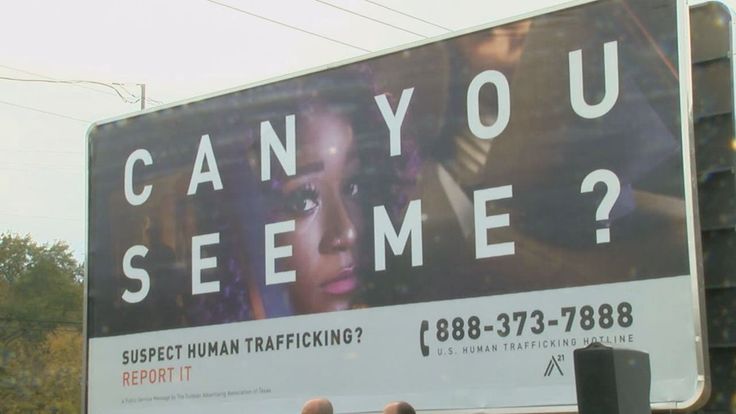
Forms of Human Trafficking: Types of Modern-Day Slavery Explained
Introduction
Human trafficking is a serious violation of human rights and a growing global crime. It involves the exploitation of individuals for profit through force, fraud, or coercion. Understanding the different forms of human trafficking is crucial to identifying and preventing this crime.
1. Sex Trafficking
Sex trafficking is one of the most common forms of human trafficking. Victims, primarily women and children, are forced into prostitution, pornography, or other sexual activities against their will. This form is often linked with organized crime networks.
2. Forced Labor
Forced labor involves individuals being made to work under threat, coercion, or deception. Victims are often found in industries such as construction, agriculture, factories, and domestic work, with little or no pay.
3. Child Trafficking
Child trafficking includes the exploitation of children for labor, sexual purposes, begging, or illegal activities. Children are particularly vulnerable due to their dependence and lack of awareness.
4. Bonded Labor (Debt Bondage)
In bonded labor, victims are forced to work to repay a debt. However, the debt is often manipulated so that it can never be fully repaid, trapping individuals in a cycle of exploitation.
5. Domestic Servitude
Victims of domestic servitude are forced to work in private households under abusive conditions. They may face long working hours, no wages, and restrictions on movement.
6. Organ Trafficking
Organ trafficking involves the illegal trade of human organs such as kidneys or livers. Victims are either forced or deceived into giving up their organs, often without proper medical care.
7. Forced Marriage
In forced marriage, individuals—especially women and girls—are married against their will. This often leads to lifelong exploitation, abuse, and lack of freedom.
8. Child Soldiers
In conflict zones, children are trafficked and forced to serve as soldiers, laborers, or even spies. This is a severe violation of child rights and international law.
9. Begging and Street Crime Exploitation
Some victims, especially children, are trafficked and forced into begging, pickpocketing, or other petty crimes. Traffickers control their earnings and movements.
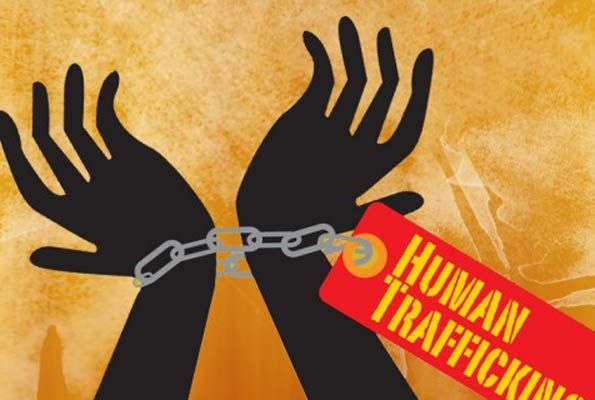
Impact of Human Trafficking on Victims: Physical, Psychological & Social Effects
Introduction
Human trafficking is not just a crime—it is a severe violation of human rights that leaves long-lasting scars on victims. The impact of human trafficking on victims goes beyond physical harm, affecting their mental health, emotional well-being, and social life. Understanding these effects is essential for providing proper support and rehabilitation.
1. Physical Health Consequences
Victims of human trafficking often suffer from serious physical injuries due to abuse, violence, and harsh working conditions. Common health issues include:
- Malnutrition and exhaustion
- Injuries from physical assault
- Sexually transmitted infections (STIs)
- Lack of medical care
These conditions can lead to long-term health complications or even death in severe cases.
2. Psychological and Emotional Trauma
One of the most damaging effects of trafficking is mental trauma. Victims often experience:
- Anxiety and depression
- Post-traumatic stress disorder (PTSD)
- Fear, shame, and guilt
- Suicidal thoughts
The psychological impact can persist even after victims are rescued, requiring long-term counseling and care.
3. Loss of Freedom and Human Rights
Trafficking strips individuals of their basic rights and dignity. Victims are often:
- Controlled and monitored constantly
- Denied freedom of movement
- Forced to work against their will
This loss of autonomy deeply affects their sense of identity and self-worth.
4. Social Isolation and Stigma
Victims are often isolated from their families and communities. After rescue, many face:
- Social rejection or discrimination
- Difficulty reintegrating into society
- Lack of support systems
Stigma can prevent victims from seeking help or rebuilding their lives.
5. Economic Exploitation
Human trafficking victims rarely receive fair wages. They are trapped in cycles of poverty due to:
- Unpaid or underpaid labor
- Debt bondage
- Lack of financial independence
This economic exploitation makes it difficult for them to achieve stability even after escaping trafficking.
6. Impact on Children
Children who are trafficked face severe developmental challenges, including:
- Interrupted education
- Emotional and behavioral issues
- Increased vulnerability to future exploitation
These effects can have lifelong consequences on their growth and future opportunities.
7. Legal and Identity Issues
Many victims lack proper identification documents or legal support, leading to:
- Difficulty accessing justice
- Fear of law enforcement
- Risk of being treated as offenders instead of victims
This creates additional barriers in their recovery process.
Legal Framework and Government Efforts Against Human Trafficking
Human trafficking laws in India are designed to protect victims and punish offenders effectively. The Indian Penal Code, especially Sections 370 and 370A, criminalizes trafficking activities. The Immoral Traffic (Prevention) Act, 1956 addresses sexual exploitation, while the Protection of Children from Sexual Offences Act, 2012 safeguards children from abuse and trafficking.
The government of India has launched initiatives like Ujjawala Scheme and Swadhar Greh Scheme to rescue, rehabilitate, and reintegrate victims. Law enforcement agencies and NGOs also play a crucial role in combating trafficking.
Strong laws, awareness, and coordinated efforts are essential to eliminate human trafficking and protect human rights.
Prevention and Awareness of Human Trafficking
Preventing human trafficking requires a combination of awareness, education, and strong community action. Public awareness campaigns play a crucial role in informing people about the risks, warning signs, and methods used by traffickers. Educating vulnerable groups—especially women, children, and migrants—helps them recognize false job offers and unsafe situations.
Governments and organizations like United Nations Office on Drugs and Crime work to strengthen anti-trafficking strategies through policies, research, and global cooperation. In India, initiatives such as Ujjawala Scheme focus on prevention, rescue, and rehabilitation of victims.
Community vigilance is equally important. Reporting suspicious activities, supporting survivors, and promoting ethical employment practices can reduce trafficking risks. Additionally, improving access to education, job opportunities, and safe migration channels helps address root causes.
Combating human trafficking requires collective responsibility. With increased awareness and proactive measures, society can protect vulnerable individuals and work towards eliminating modern-day slavery.
World Day Against Trafficking in Persons: Raising Awareness Against Modern Slavery
Introduction
Human trafficking remains one of the most serious human rights violations in the world today. To combat this growing crime, the United Nations established the World Day Against Trafficking in Persons, observed every year on July 30. This day aims to raise global awareness about the dangers of human trafficking and to promote the protection of victims’ rights.
Purpose of the Day
The primary goal of this observance is to educate people about the realities of modern slavery. It highlights how millions of individuals—especially women and children—are exploited through forced labor, sexual exploitation, and other forms of abuse. The day also emphasizes the need for stronger laws, effective enforcement, and international cooperation to eliminate trafficking networks.
Global Efforts and Initiatives
Governments, organizations, and communities across the world organize campaigns, workshops, and awareness programs on this day. Agencies work together to improve victim identification, provide rehabilitation services, and ensure justice for survivors. It also encourages individuals to take responsibility by reporting suspicious activities and supporting anti-trafficking initiatives.
Why Awareness Matters
Lack of awareness is one of the biggest factors contributing to human trafficking. By educating people about warning signs, safe migration practices, and legal rights, this day empowers individuals to protect themselves and others from exploitation.
Myths vs Facts About Human Trafficking
Introduction
Human trafficking is often misunderstood due to widespread myths and misinformation. These misconceptions can prevent victims from getting help and allow traffickers to operate unnoticed. Understanding the truth is essential for awareness and prevention.
Myth 1: Human Trafficking Only Happens in Poor Countries
Fact: Human trafficking occurs worldwide, including in developed countries. It is a global issue affecting people across all regions and economic backgrounds.
Myth 2: Only Women and Girls Are Victims
Fact: While women and girls are highly vulnerable, men and boys are also victims of trafficking, especially in forced labor and exploitation.
Myth 3: Trafficking Always Involves Kidnapping
Fact: Many victims are not kidnapped. Traffickers often use deception, false promises of jobs, or emotional manipulation to exploit individuals.
Myth 4: Victims Can Easily Escape
Fact: Victims are often controlled through fear, threats, violence, or debt bondage, making escape extremely difficult.
Myth 5: Human Trafficking Is the Same as Human Smuggling
Fact: Trafficking involves exploitation and coercion, while smuggling typically involves illegal transportation with consent. They are legally and practically different.
Myth 6: Traffickers Are Always Strangers
Fact: In many cases, traffickers are known to victims, such as relatives, friends, or acquaintances, making it harder to identify the threat.
Myth 7: Victims Always Seek Help Immediately
Fact: Due to fear, shame, or lack of awareness, victims may not seek help or may not even realize they are being trafficked.
How to Report Human Trafficking in India: A Step-by-Step Guide
Introduction
Reporting human trafficking can save lives. In India, several legal mechanisms and helplines are available to help citizens report suspicious activities safely and confidentially.
1. Call National Helplines
You can report suspected trafficking cases through dedicated helplines:
- 1098 – Childline (for children in distress)
- 112 – Emergency helpline
- 181 – Women’s helpline
These services are available 24/7 and connect you to immediate assistance.
2. Contact Local Police
Visit the nearest police station or call emergency services to file a complaint. You can also report online through your state police website. Laws under the Indian Penal Code (Sections 370 & 370A) deal specifically with trafficking offenses.
3. Approach Anti-Human Trafficking Units (AHTUs)
Specialized Anti-Human Trafficking Units operate across India to handle such cases. These units are trained to rescue victims and investigate trafficking networks.
4. Report to NGOs and Support Organizations
You can seek help from organizations like Bachpan Bachao Andolan and Prajjwala, which actively work in rescue, rehabilitation, and legal support.
5. Use Online Portals
The government provides online platforms to report crimes, such as the National Crime Reporting Portal, where you can file complaints related to trafficking and exploitation.
6. Provide Accurate Information
When reporting, try to share:
- Location of suspected activity
- Description of individuals involved
- Any evidence (photos, messages, etc.)
Even partial information can help authorities take action.
7. Ensure Your Safety
Do not confront traffickers directly. Always report anonymously if you feel unsafe and let authorities handle the situation.
Role of Police and Law Enforcement in Combating Human Trafficking
Introduction
Human trafficking is a serious organized crime that requires a strong and coordinated response from law enforcement agencies. In India, the police and other authorities play a crucial role in preventing trafficking, rescuing victims, and ensuring justice. Their actions are guided by laws such as the Indian Penal Code and supported by specialized units and policies.
Prevention and Intelligence Gathering
Police are responsible for identifying trafficking hotspots and monitoring suspicious activities. Through surveillance, intelligence networks, and community policing, they can detect early signs of trafficking. Awareness programs conducted by law enforcement also help educate the public about risks and reporting mechanisms.
Investigation and Evidence Collection
A critical role of law enforcement is conducting thorough investigations. This includes collecting evidence, tracking traffickers, and dismantling organized crime networks. Police must handle cases with sensitivity, ensuring that victims are not treated as offenders. Proper documentation and coordination with forensic experts strengthen legal proceedings.
Rescue and Protection of Victims
One of the most important responsibilities is rescuing victims from exploitation. Police often work with NGOs and social workers during rescue operations to ensure victims are treated with care and dignity. After rescue, victims are provided protection, medical assistance, and temporary shelter.
Role of Anti-Human Trafficking Units (AHTUs)
Specialized Anti-Human Trafficking Units have been established across India to deal specifically with trafficking cases. These units are trained to handle complex investigations, coordinate interstate operations, and ensure victim-centered approaches. Their expertise improves the effectiveness of law enforcement efforts.
Legal Action and Prosecution
Police play a key role in ensuring traffickers are prosecuted under relevant laws. Sections 370 and 370A of the Indian Penal Code criminalize trafficking offenses. Law enforcement agencies prepare charge sheets, present evidence in court, and support the prosecution process to secure convictions.
Coordination with Other Agencies
Combating human trafficking requires collaboration between multiple stakeholders. Police work with government departments, judiciary, immigration authorities, and organizations like United Nations Office on Drugs and Crime to share information and strengthen anti-trafficking strategies.
Challenges Faced by Law Enforcement
Despite their efforts, police face several challenges, including lack of resources, corruption, underreporting of cases, and difficulty in identifying victims. Cross-border trafficking and organized criminal networks further complicate investigations.
Conclusion
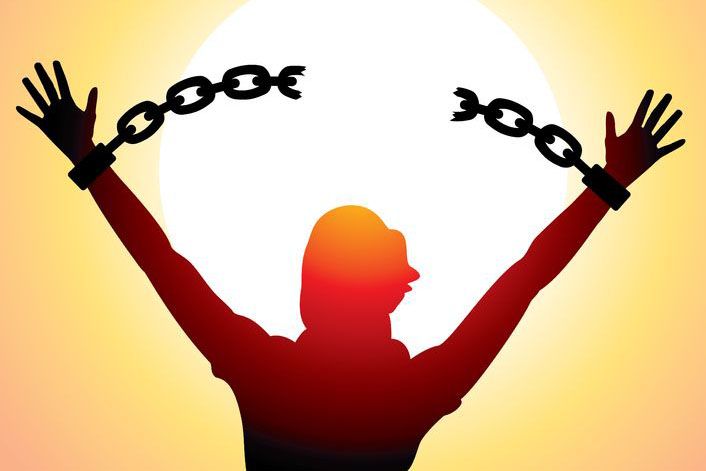
Human trafficking remains a grave violation of human rights, driven by factors like poverty, inequality, and lack of awareness. Its various forms and devastating impact on victims highlight the urgent need for strong legal frameworks, effective enforcement, and continuous public awareness. While governments and organizations are taking significant steps, the fight against trafficking requires collective responsibility. By promoting education, supporting survivors, reporting suspicious activities, and ensuring safe opportunities for vulnerable groups, society can play a vital role in prevention. A coordinated approach involving law enforcement, communities, and individuals is essential to eliminate this crime. Only through sustained efforts and awareness can we move towards a future free from human trafficking and protect the dignity and rights of every individual.