
Police Encounters in India: Legal Reality & Human Rights Impact
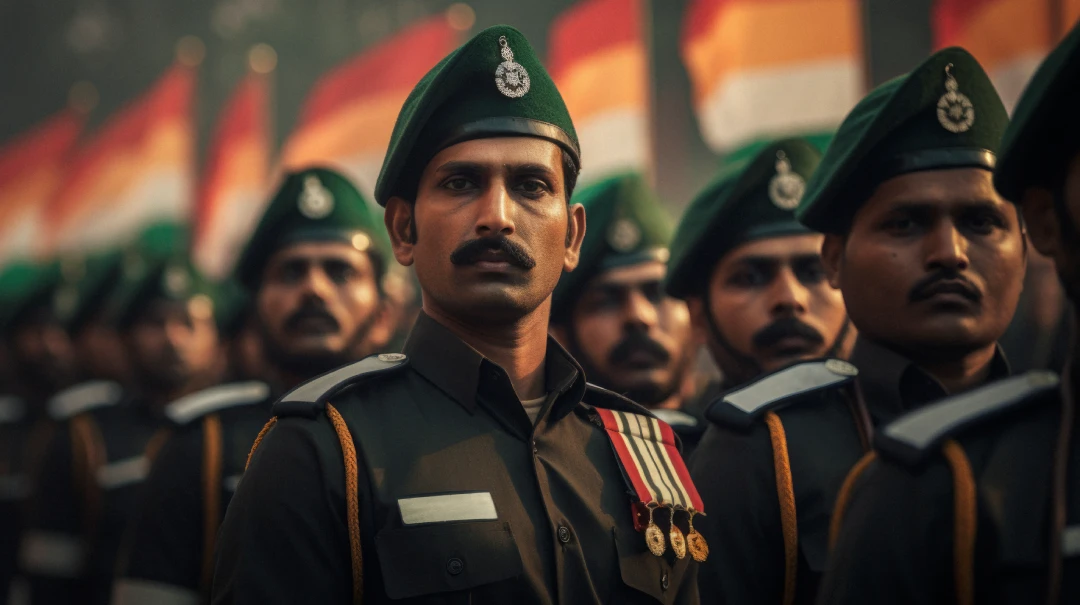
Police encounters in India have long been a controversial subject, often portrayed as swift justice against dangerous criminals. But beneath this narrative lies a complex legal and ethical debate involving extrajudicial killings, custodial deaths, and fundamental rights violations.
Are these encounters lawful? Or do they undermine the rule of law? Let’s examine the legal framework, judicial stance, and societal impact.
What Are Police Encounters?
Police encounters refer to situations where law enforcement officials use lethal force against accused individuals, typically claiming self-defense during arrest operations.
These incidents often involve:
Alleged terrorists or gangsters
High-risk arrest scenarios
Claims of retaliatory firing by suspects
While authorities justify such actions as necessary, concerns arise when these encounters are staged or manipulated, leading to what are commonly called fake encounters in India.
Legal Framework Governing Police Encounters
Section 46 of CrPC Explained
Under Section 46(2) of the Code of Criminal Procedure (CrPC):
Police can use “all means necessary” to arrest a resisting accused.
However, Section 46(3) CrPC clearly limits this power:
Police cannot cause death unless the accused is charged with an offense punishable by death or life imprisonment.
This creates a narrow legal window—but does not grant blanket authority for killing suspects.
Many critics argue that some encounters are deliberately staged to:
Eliminate suspects without trial
Showcase quick results
Avoid lengthy judicial procedures
Such extrajudicial killings in India raise serious issues:
Violation of Article 21 (Right to Life)
Denial of due process of law
Abuse of police power
Key Case Laws
1. Extra Judicial Execution Victim Families Association vs Union of India (2016)
The Supreme Court emphasized the need to investigate every encounter.
It ruled that truth and accountability are essential, regardless of the victim’s criminal background.
2. Om Prakash vs State of Jharkhand (2012)
The Court described fake encounters as acts of “state-sponsored terrorism.”
It condemned “trigger-happy policemen” and declared such killings illegal.
👉 These rulings reinforce that no one is above the law—not even law enforcement agencies.
Human Rights and Legal Implications
Police encounters directly challenge the core principles of criminal justice:
Key Violations:
Presumption of innocence
Right to fair trial
Audi alteram partem (right to be heard)
When suspects are killed without trial:
The burden of proof is bypassed
Judicial oversight is eliminated
Justice becomes arbitrary
Impact on Society and Rule of Law
While encounters may provide temporary public satisfaction, they have long-term consequences:
Erode trust in the judiciary
Encourage lawlessness
Create a culture of impunity
Risk killing innocent individuals
A system where police act as judge, jury, and executioner undermines democracy itself.
Police encounters do not deliver true justice because they bypass legal procedures, violate fundamental rights, and eliminate judicial accountability.
The Way Forward
To address the issue of custodial deaths and encounters in India:
Necessary Reforms:
Independent judicial inquiries into all encounters
Mandatory FIR and investigation against police officers
Use of body cameras and forensic evidence
Strengthening human rights oversight