
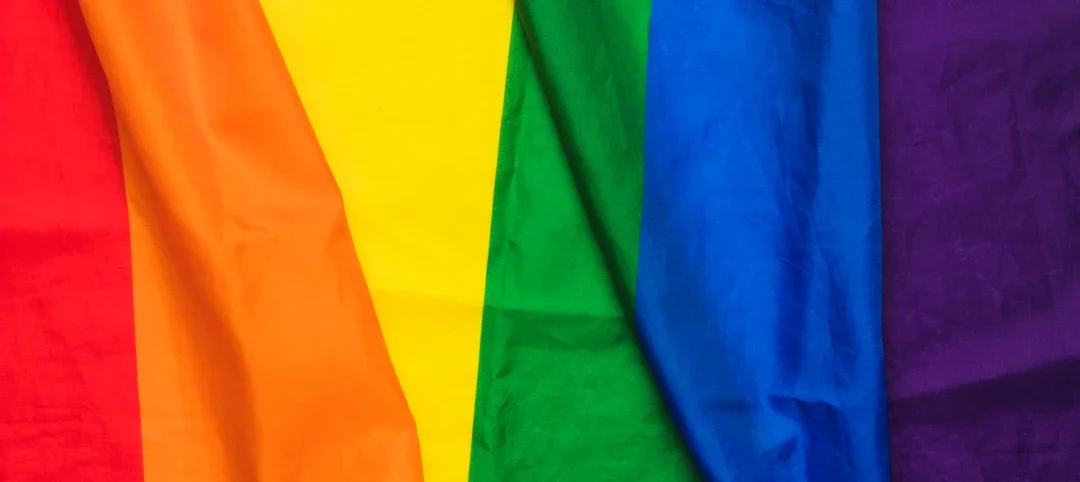
Supreme Court LGBT judgment 2026, LGBT rights India, transgender rights Supreme Court, NALSA judgment, transgender amendment act 2026, LGBTQ rights India, constitutional law India, transgender self-identification, latest Supreme Court judgment.
Supreme Court’s Latest LGBT Rights Case in 2026: Why the Transgender Rights Challenge Could Become India’s Next Landmark Judgment
In a significant development for LGBTQIA+ rights in India, the Supreme Court has agreed to hear a batch of petitions challenging the constitutional validity of the Transgender Persons (Protection of Rights) Amendment Act, 2026. The case is being closely watched by legal experts, human rights advocates, and members of the LGBT community as it raises fundamental questions about gender identity, dignity, equality, and personal autonomy.
The petitions argue that the 2026 amendment dilutes the rights previously recognized by the Supreme Court in the landmark NALSA judgment of 2014, which affirmed the right of transgender persons to self-identify their gender.
The Transgender Persons (Protection of Rights) Amendment Act, 2026 introduced major changes to India’s transgender rights framework. Among the most debated provisions are:
• Removal of the statutory recognition of “self-perceived gender identity.”
• Introduction of mandatory certification mechanisms.
• Requirement of recommendations from designated medical boards before legal recognition.
• Additional administrative procedures for obtaining identity certificates.
Critics argue that these provisions create barriers for transgender persons seeking legal recognition and may undermine the principles established by earlier Supreme Court judgments.
The Supreme Court has issued notices on the petitions and agreed to examine whether the amendment violates Articles 14, 15, 19, and 21 of the Constitution of India. The Court will specifically assess whether removing the right to self-identification infringes upon constitutional guarantees of equality, dignity, privacy, and personal liberty.
The Court has also stayed proceedings pending before various High Courts to ensure that the matter is heard comprehensively at the national level and that conflicting judicial opinions do not emerge.
The present challenge directly relates to the Supreme Court’s historic decision in National Legal Services Authority (NALSA) v. Union of India (2014). In that case, the Court recognized transgender persons as a third gender and upheld their right to determine their self-identified gender without compulsory medical procedures.
The NALSA judgment is widely regarded as one of India’s most progressive human rights rulings and laid the foundation for transgender rights protections in the country.
The outcome of this case could have far-reaching consequences for India’s LGBT community. If the Court strikes down the contested provisions, it may reaffirm the principle that gender identity is a matter of personal autonomy and constitutional protection.
Conversely, if the amendment survives constitutional scrutiny, it could reshape the legal process through which transgender individuals obtain recognition and access government benefits.
Legal observers believe the judgment may become one of the most important LGBT rights decisions since the decriminalization of consensual same-sex relations in the landmark Navtej Singh Johar v. Union of India (2018) case.
The central question before the Supreme Court is whether the State can require medical or bureaucratic verification of an individual’s gender identity. The answer will determine how India balances administrative regulation with fundamental rights such as dignity, privacy, and self-expression.
As constitutional courts around the world increasingly address issues relating to gender identity and transgender rights, the Supreme Court’s decision in this case may influence future legal developments across multiple areas, including healthcare, employment, education, and anti-discrimination protections.
The Supreme Court’s examination of the Transgender Persons (Protection of Rights) Amendment Act, 2026 represents a pivotal moment in India’s LGBT rights journey. While the final verdict is still awaited, the proceedings have already reignited a national conversation on equality, dignity, and the right to self-identification.
For the LGBT community, constitutional scholars, and policy makers alike, this case may become the defining human rights judgment of 2026.
The Supreme Court LGBT Rights Case 2026 concerns petitions challenging the constitutional validity of the Transgender Persons (Protection of Rights) Amendment Act, 2026. The Court will examine whether certain provisions violate the fundamental rights guaranteed under the Constitution of India.
The amendment is being challenged because petitioners argue that it weakens the right of transgender persons to self-identify their gender by introducing mandatory certification, medical board recommendations, and additional administrative requirements for legal recognition.
The landmark NALSA (National Legal Services Authority v. Union of India, 2014) judgment recognized transgender persons as a third gender and affirmed their constitutional right to self-identify their gender without compulsory medical procedures. It remains one of India’s most significant judgments on transgender rights.
The petitions primarily rely on Articles 14, 15, 19, and 21 of the Constitution of India, which protect equality before law, prohibit discrimination, guarantee freedom of expression, and safeguard the right to life, dignity, privacy, and personal liberty.
The judgment could determine how transgender individuals obtain legal recognition, identity documents, and access to government welfare schemes. It may also influence future policies relating to healthcare, education, employment, and anti-discrimination protections.
Legal Basta provides legal analysis, constitutional law guidance, and representation in matters involving fundamental rights, transgender rights, human rights, public interest litigation, and other constitutional issues before courts and legal authorities across India.
The rules of the Bar Council of India prohibit law firms from soliciting work or advertising in any manner. By clicking on ‘I AGREE’, the user acknowledges that:
The user wishes to gain more information about Legal Basta, its practice areas and its attorneys, for his/her own information and use;
The information is made available/provided to the user only on his/her specific request and any information obtained or material downloaded from this website is completely at the user’s volition and any transmission, receipt or use of this site is not intended to, and will not, create any lawyer-client relationship; and
None of the information contained on the website is in the nature of a legal opinion or otherwise amounts to any legal advice.
Legal Basta is not liable for any consequence of any action taken by the user relying on material/information provided under this website. In cases where the user has any legal issues, he/she in all cases must seek independent legal advice.